Discussion on the feather at the opening of the play and paralleled to the manatee which is linked to mermaids according to Wikipedia. A discussion of mermaids, how the play's characters never utter the word mermaid. So the audience will never truly know. I shared an image of a bronze statue in Copenhagen of The Little Mermaid. Brian wants to use it as the model for the sculpture in the play.
Avoid the expected interpretation. What is expected?
New addition to the end with Marie being the name on the neighbor's mail. The old woman neighbor nobody ever noticed. The mail that Thomas got and never gave to her.
The idea of a dramaturgical insert for the program. Ask the cast for a list of the ordinary and compile this list but intersperse it with the unexpected, the miraculous. Like the manatee. As for the manatee...
I heard about in the Hudson River. Why would a salt water mammoth creature venture so far north out of his normal habitat (Florida, Virginia usually the northernmost) to explore the Hudson? Here's the article from CNN and another from the New York Times...
CNN: Accidental tourist: Manatee cruises Hudson River
Monday, August 7, 2006; Posted: 9:45 a.m. EDT (13:45 GMT)
NEW YORK, New York (AP) -- In the heat of summer, all sorts of tourists head north to cooler climes. This year, a manatee has joined the crowd, cruising past the nightclubs of Manhattan and continuing north.
The massive animal has been spotted in the Hudson River at least three times in the last week -- first off the Chelsea and Harlem sections of Manhattan, then to the north in Sleepy Hollow in Westchester County.
"It was gigantic," said Randy Shull, who said he spotted the unusual visitor Sunday afternoon while boating at Kingsland Point Park in Sleepy Hollow. "When we saw it surface, its back was just mammoth."
Last month, trackers saw the manatee as it swam north, first near Delaware, then Maryland, then New Jersey. By Saturday, it was seen in Manhattan.
Kim Durham, rescue program director for the Riverhead Foundation, a nonprofit group devoted to marine mammals, called it a "bona fide" sighting, but there isn't photographic proof.
It is unusual for one of the creatures -- often associated with the warm waters of Florida -- to travel so far north, although they have been reported along the shores of Long Island and even Rhode Island.
Manatees are an endangered marine mammal. Florida wildlife experts counted 3,116 in their annual survey in February.
John Vargo, the publisher of Boating on the Hudson magazine, said his alert about the sightings was met with disbelief by some boaters.
"Some were laughing about it, because it couldn't possibly be true," he said.
"I'm 70 years old, and I've been on the river my entire life," Vargo said. "I've seen dolphins and everything else, but never a manatee."
Other articles online:
New York Times: Massive Manatee Is Spotted in Hudson River By JENNIFER 8. LEE Published: August 7, 2006
Thursday, August 24, 2006


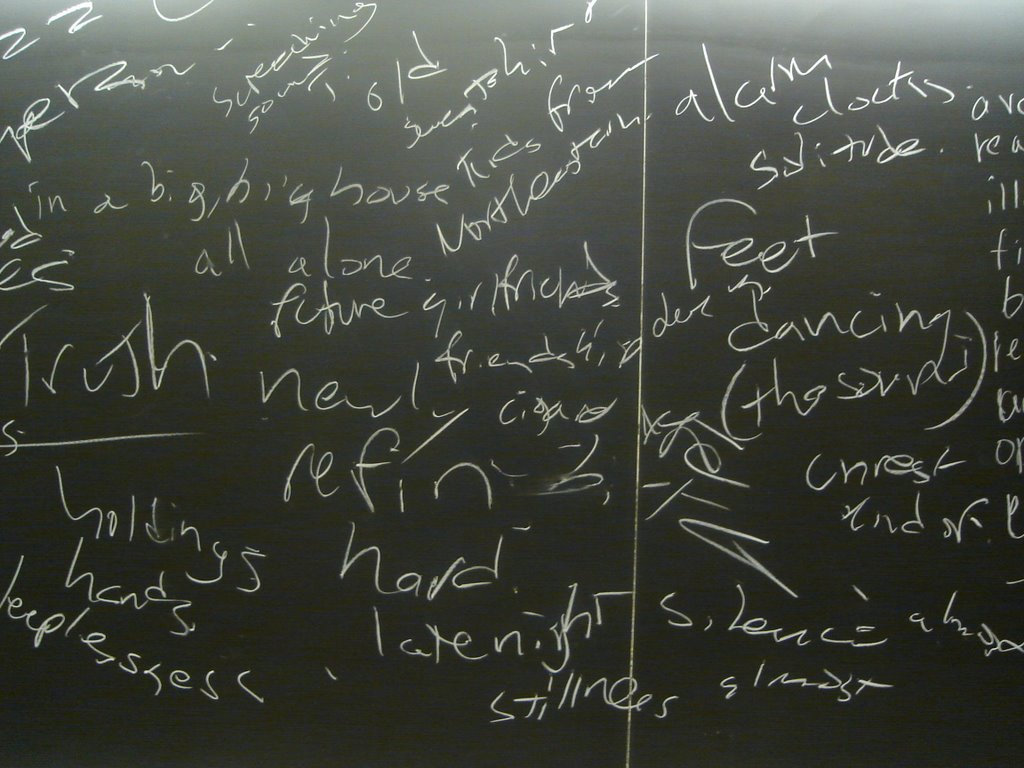
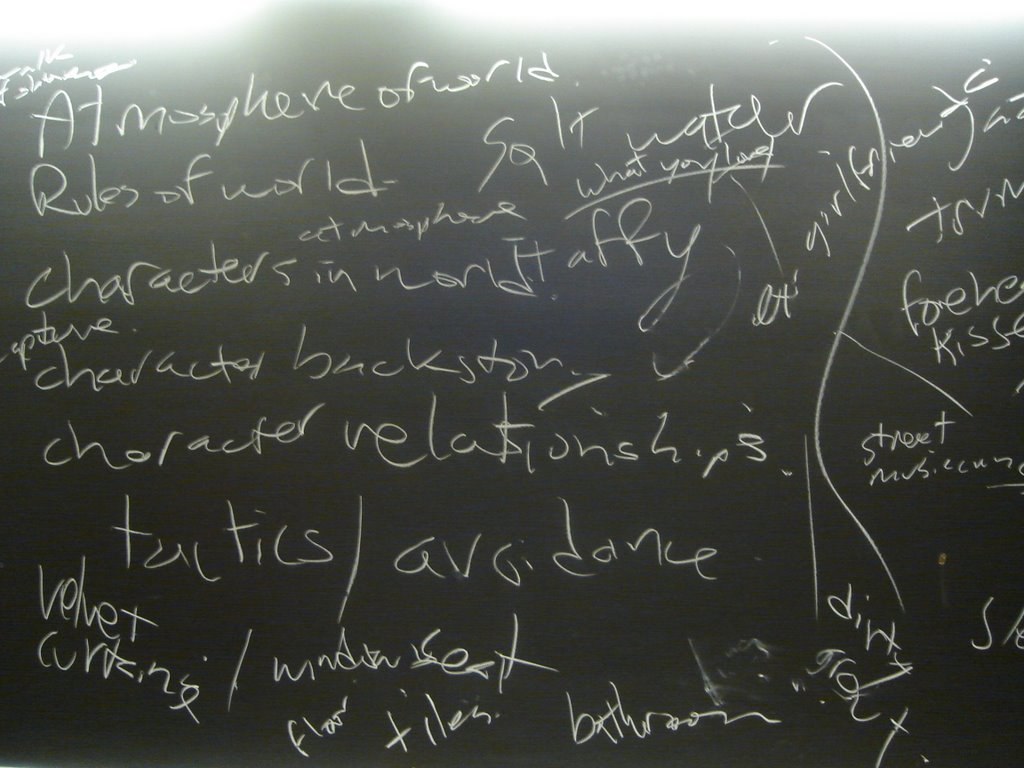
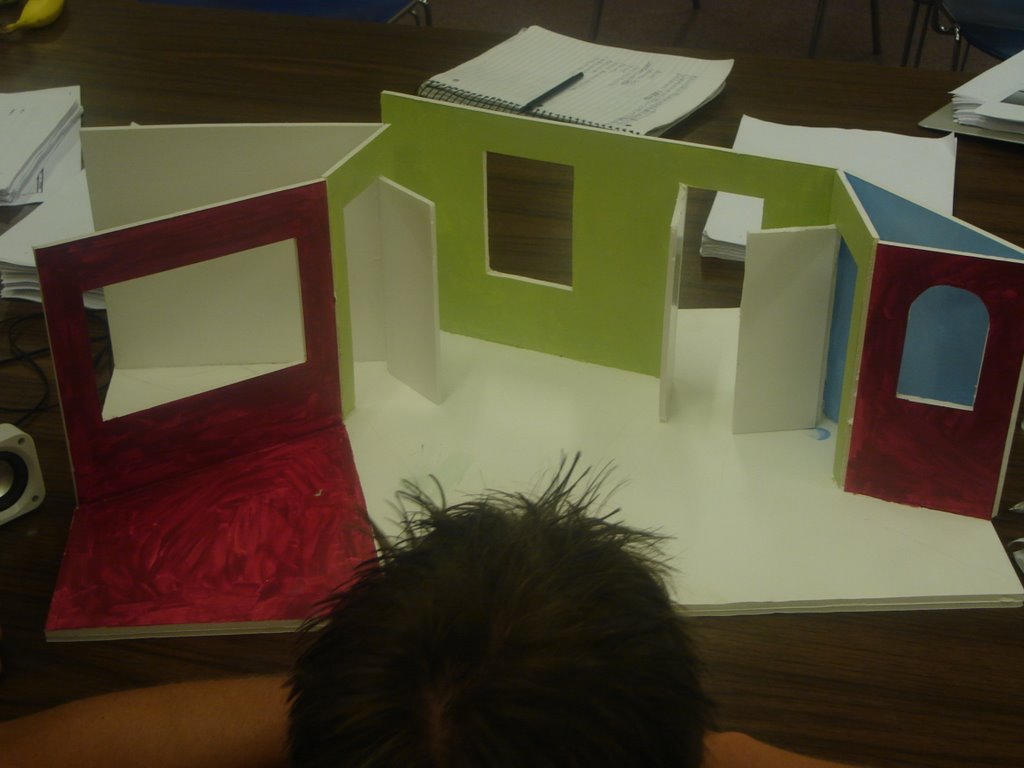
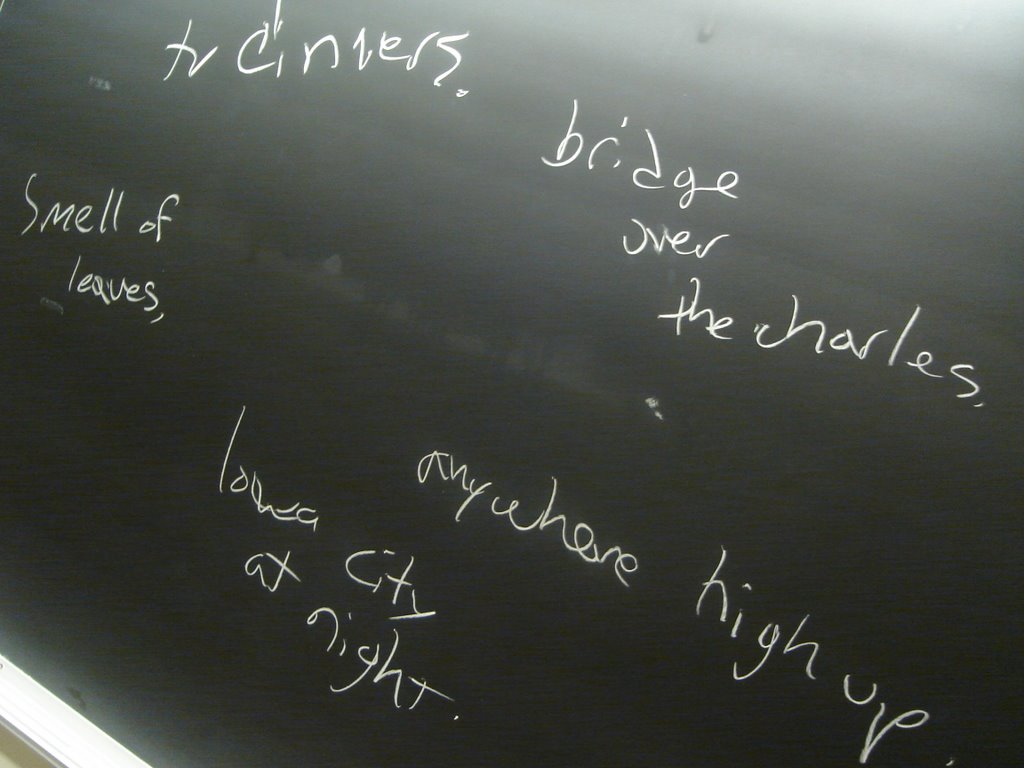
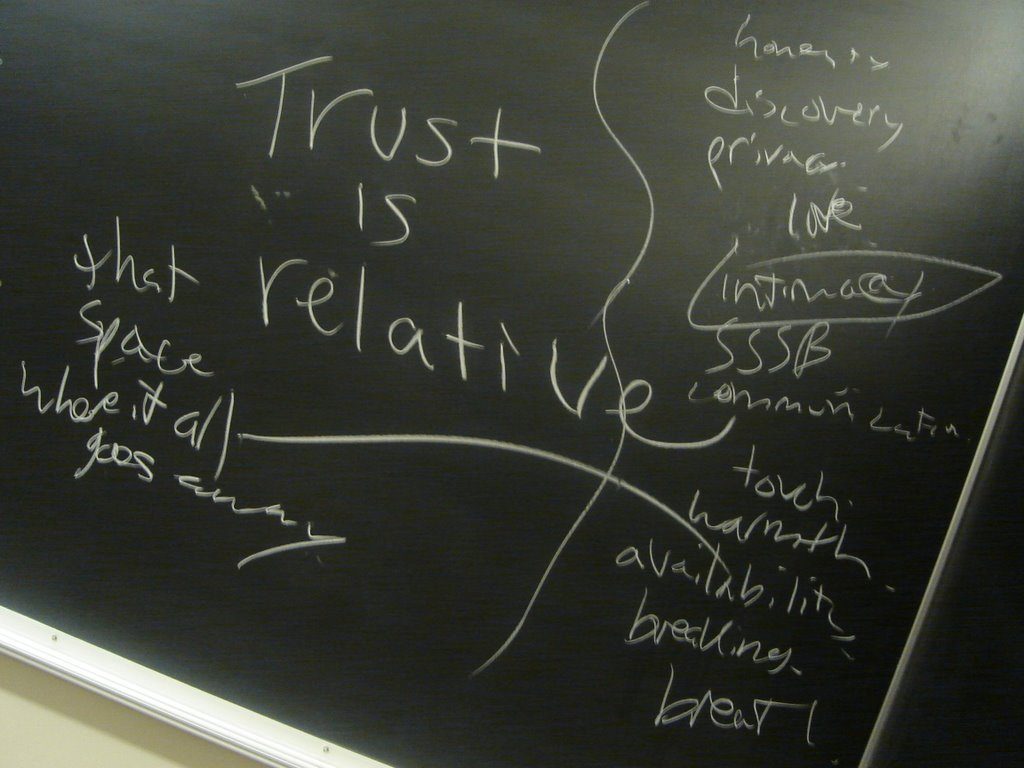
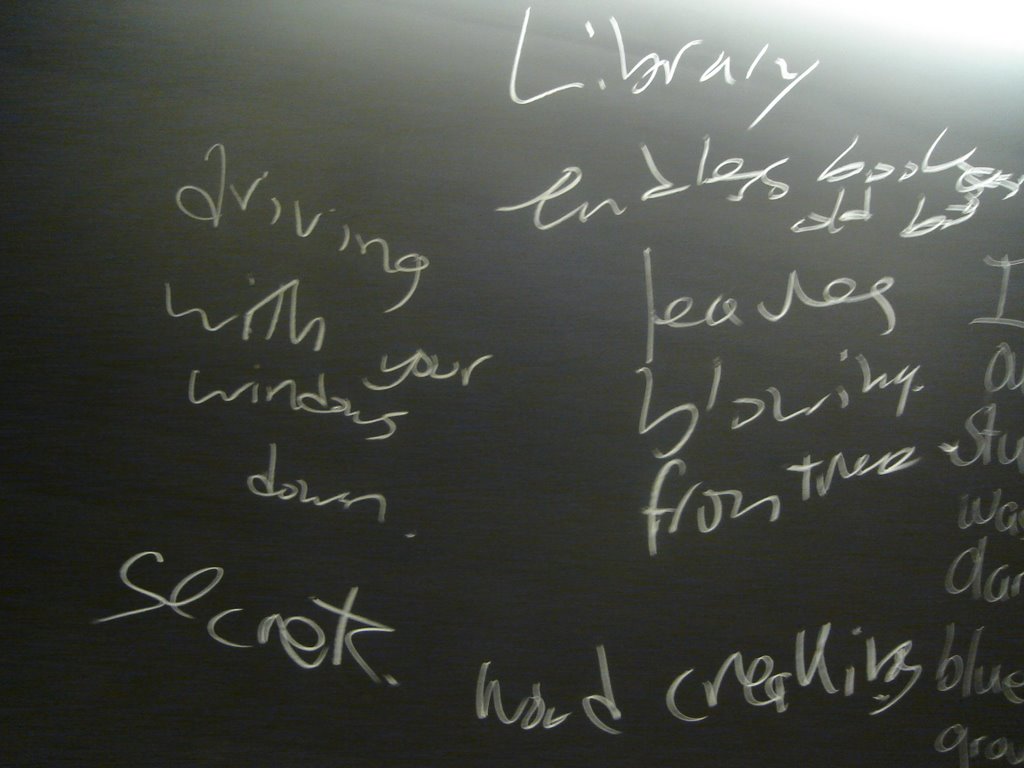
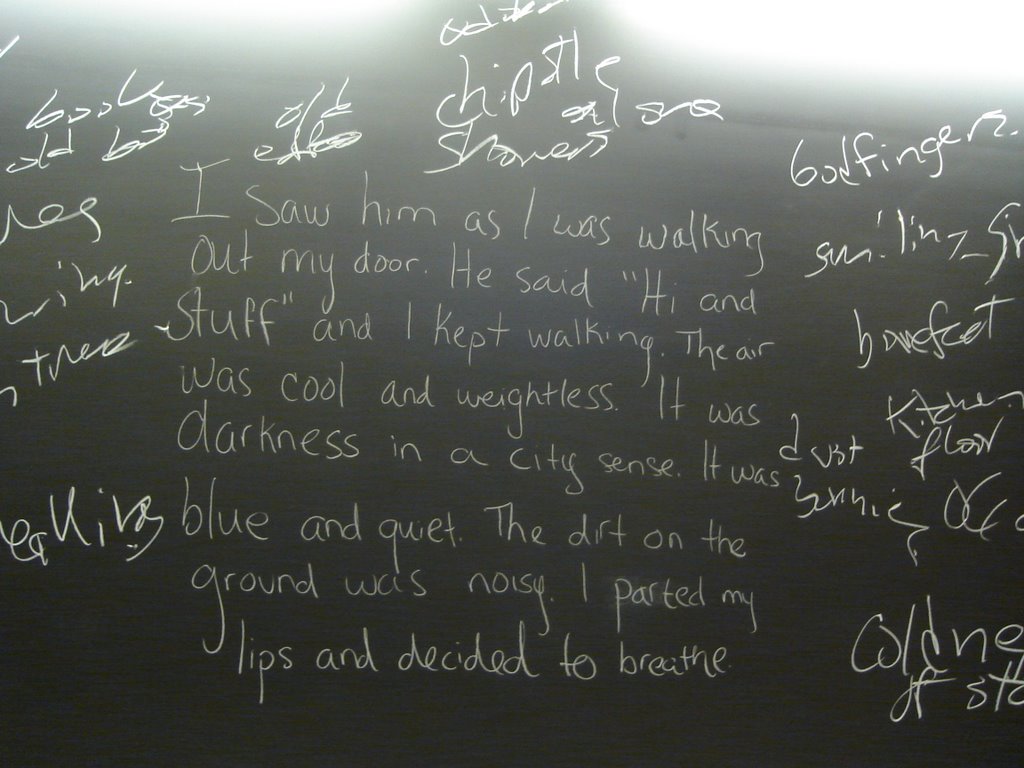
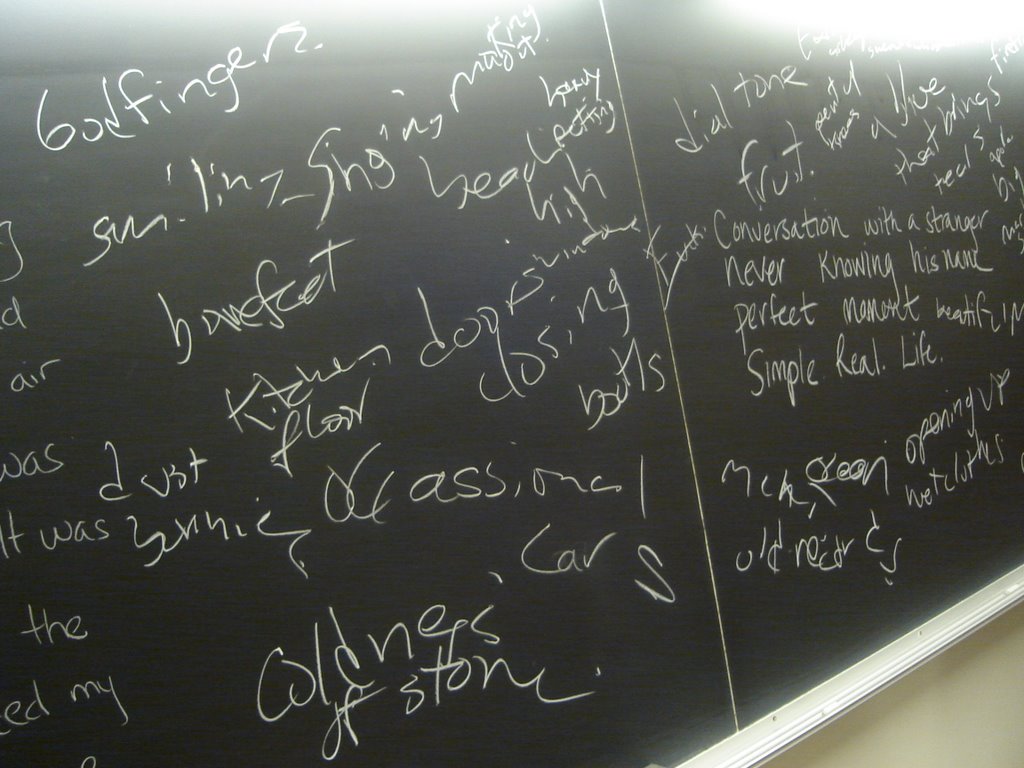
Discussion on who opens as the unnoticed and who is revealed as the unnoticed. Click on image to enlarge.
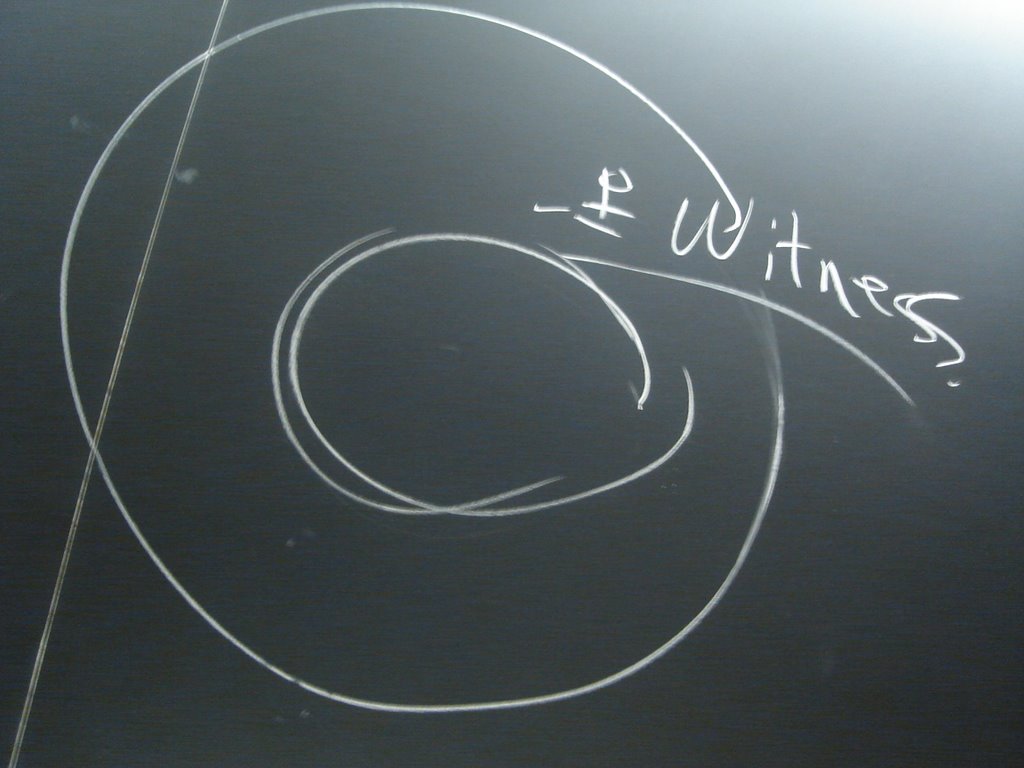
Discussion on the purpose of a role like Margaret. Provides perspective. Serves as witness. Click on image to enlarge.

An image from a book that Mel brought to rehearsal, The Lucid Dreamer by Malcolm Godwin. Observation: very different people crowded into a place with a disproportionately sized would around them. Click on image to enlarge.

A poem from the same book. Click on image to enlarge.
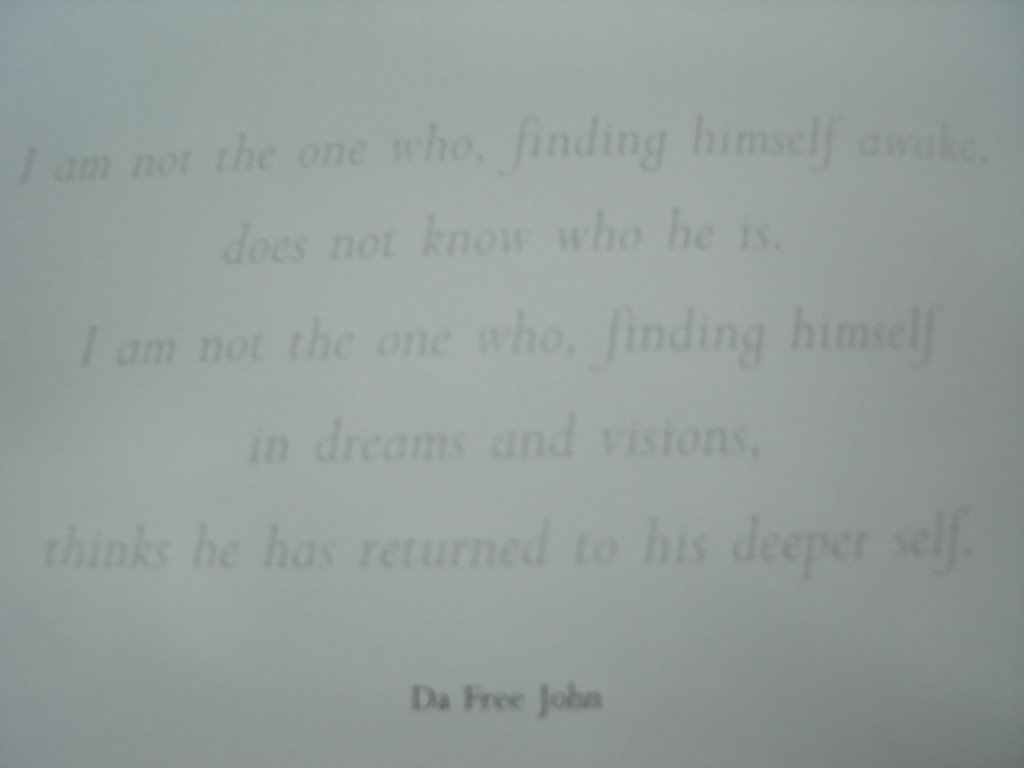
Another poem from the same book. Click on image to enlarge.
Wednesday, August 23, 2006
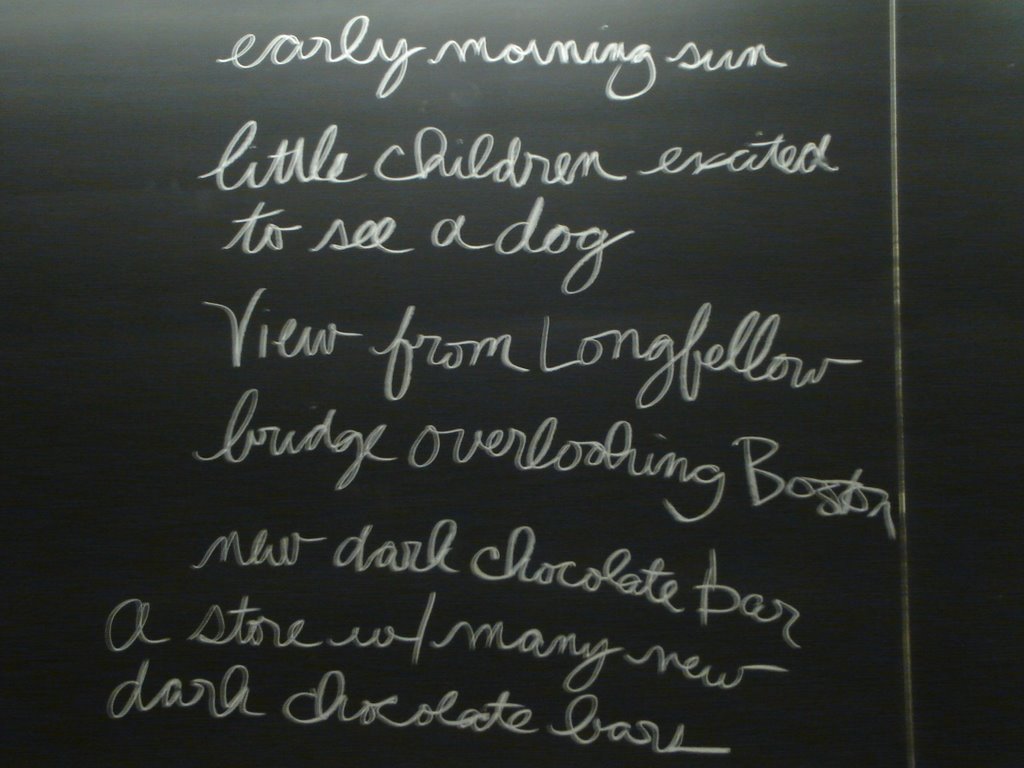
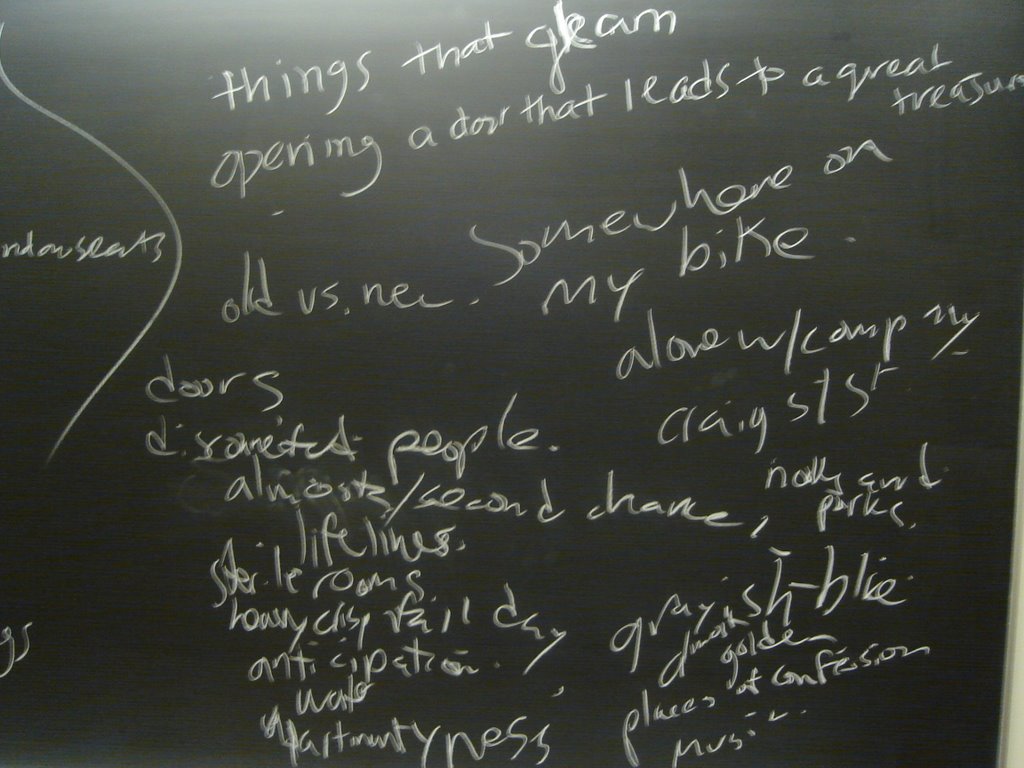



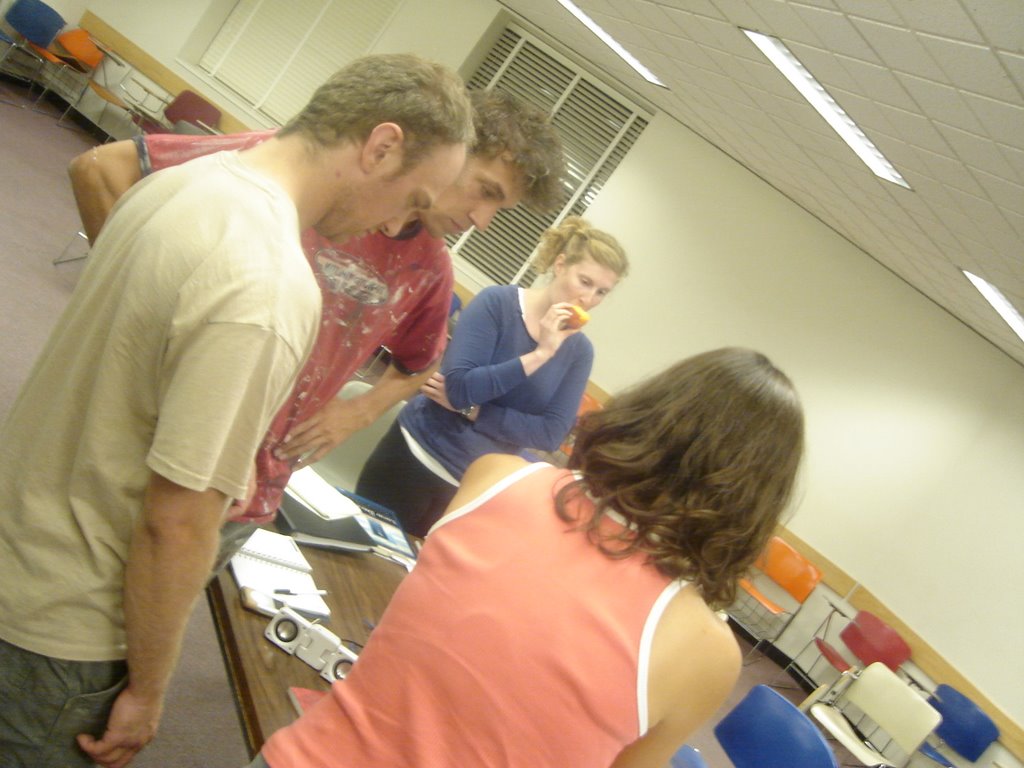
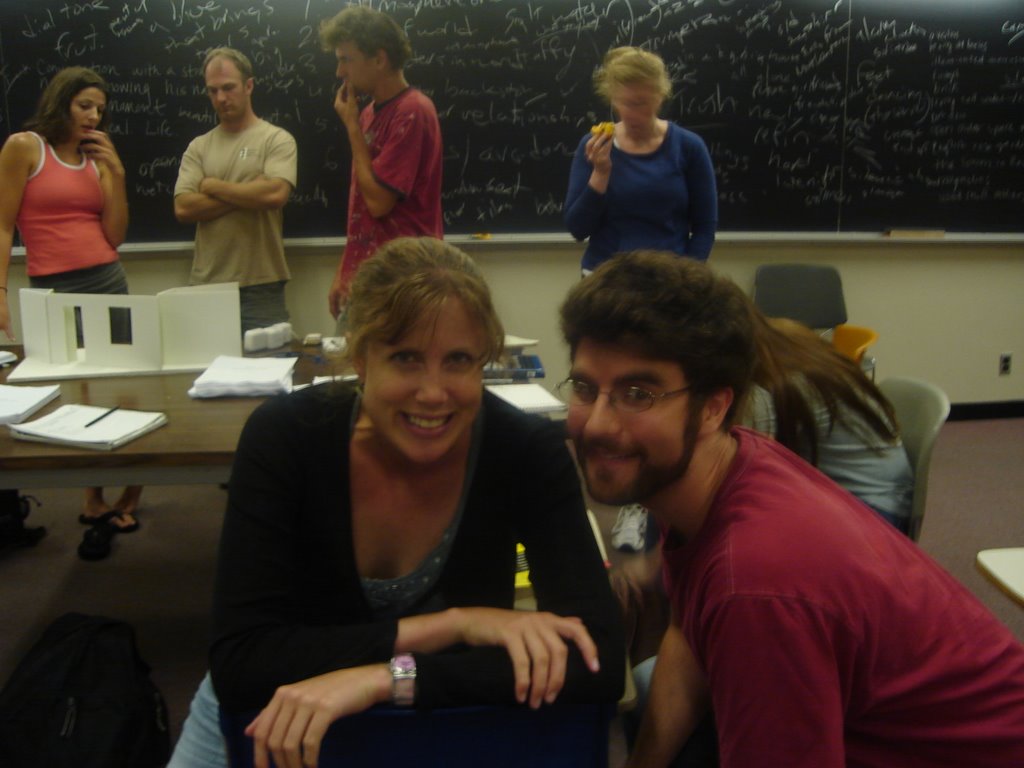
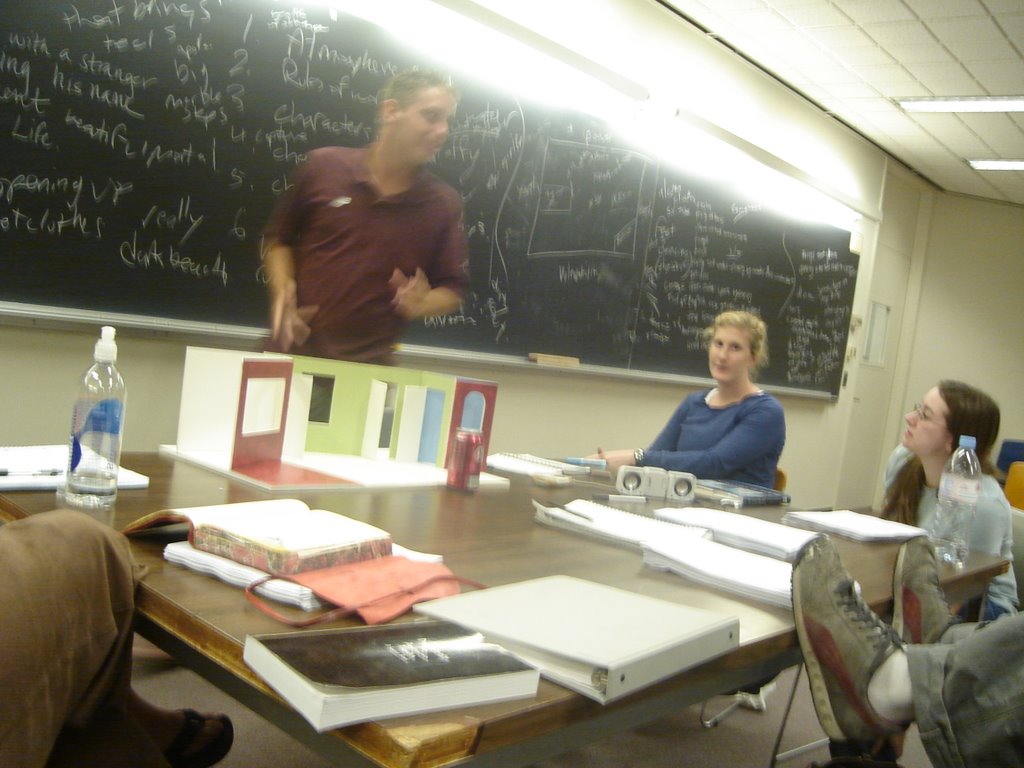
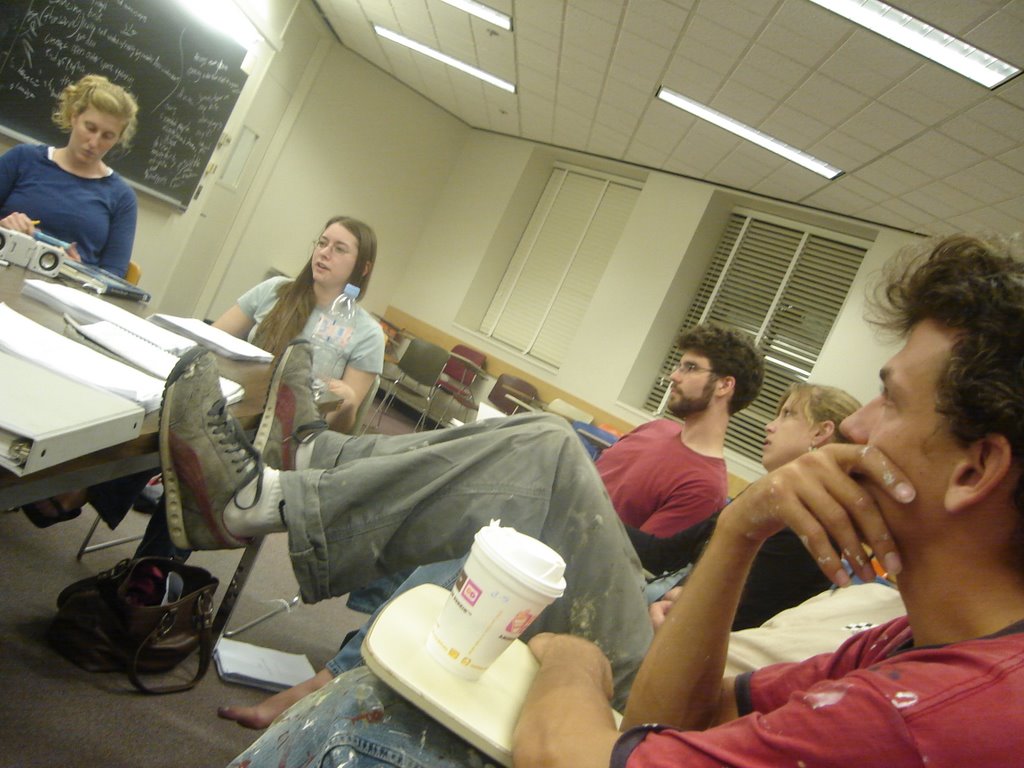

Tuesday, August 22, 2006
Temporary Streams
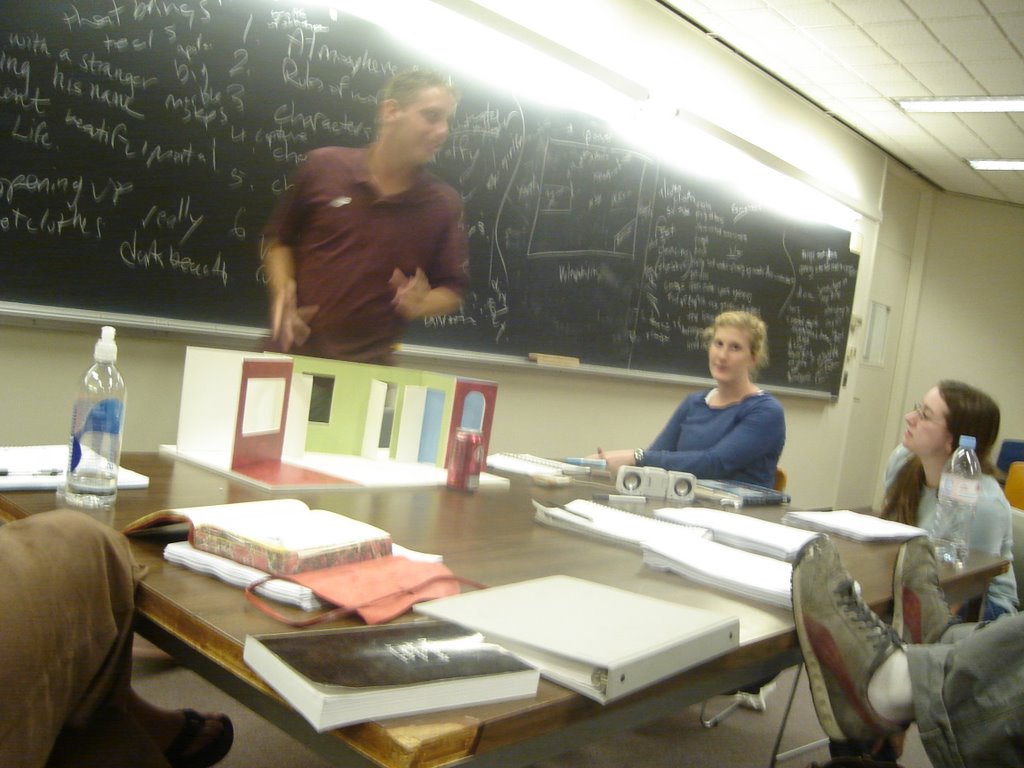
We had the read-through last night. The cast is phenomenal. The play is full of possibilities. The story is engrossing. The first act ran 50 minutes. The second ran about 80 minutes. Not bad. There were some areas that could possibly be cut, but it would be premature to conceive of cuts. I did bring up the question of what purpose my character and her two scenes serve to the story. Brian agreed.
I am excited to see this work unfold. But other than my own character analysis, analyzing the rest of the text, and researching aspects of the story, mermaids for instance, what is my dramaturgical job in the rehearsal process?
I look to a piece as published in the 10.1, 1978 issue of Theatre at Yale and republished in Dramaturgy in American Theater. I like this piece because it reinforces what a great learning experience this is for me to work with friends in the mounting of a new play and bring not just bring my desire to learn dramaturgy but also my desire to help see my friends flourish. It is the perfect storm. And by storm, I mean something beautiful that raises our stakes and makes us wrestle with two diametrically opposed extincts - one to at once run and seek cover, and two to jump and splash and dance in puddles and temporary streams and be soaked and remember what we were like as children experiencing nature without worrying about exposing ourselves to the risk of pain and death.
I hope this experience will mean running through temporary streams of consciousness, experiencing the nature of life, not worrying about the risks we take as we expose ourselves as artists and as friends.
Here's the piece, an excerpt really, by Mira Rafalowicz, with credits too long to type:
people ask me what I do in the theatre.
this is a selection from my list of answers:
an internal critic
an intimate participant
an outspoken audience member
a collaborator
an extra eye
I work in dialogue with the director and the writer(s),
I help asking questions and finding doubts.
the questions are essential, answers and solutions
are part of the end of a process. we don't always find them.
I give my opinion about just about everything.
People either listen to my advice, my opinions,
or they don't.
...
as a dramaturg I am limited in whom I can work with.
I can help make something better, clearer, only
when the basic working relationship is one of
mutual respect. Not uniformity of thinking and
feeling (there is no creative dialogue possible
in uniformity, total agreement), but a basis of
sympathy. Ideally with everyone involved in the process.
So I can really only work with friends. When I run
out of friends to work with in the theatre, I
will do something else.
As Robert Brustein (founder, Yale Repertory Theatre and ART) states:
The more deeply engaged dramaturgs are in the process of production, the more generally accepted they are by colleagues and collaborators. It would seem, therefore, that the most delicate and difficult function of all remains that of internal critic - finding a way to communicate views without arousing defensiveness - which requires extraordinary discretion but is a necessary, indeed a critical aspect of the job, and can be accomplished as long as the dramaturg is seen as concerned with improvement rather than vanity or ego.
To that end, a quote of the day I receive today as part of my daily emails traffic says:
"A great attitude does much more than turn on the lights in our worlds; it seems to magically connect us to all sorts of serendipitous opportunities that were somehow absent before we changed." - Earl Nightingale1921-1989, Author and Radio Personality
That's pretty much it.
I am excited to see this work unfold. But other than my own character analysis, analyzing the rest of the text, and researching aspects of the story, mermaids for instance, what is my dramaturgical job in the rehearsal process?
I look to a piece as published in the 10.1, 1978 issue of Theatre at Yale and republished in Dramaturgy in American Theater. I like this piece because it reinforces what a great learning experience this is for me to work with friends in the mounting of a new play and bring not just bring my desire to learn dramaturgy but also my desire to help see my friends flourish. It is the perfect storm. And by storm, I mean something beautiful that raises our stakes and makes us wrestle with two diametrically opposed extincts - one to at once run and seek cover, and two to jump and splash and dance in puddles and temporary streams and be soaked and remember what we were like as children experiencing nature without worrying about exposing ourselves to the risk of pain and death.
I hope this experience will mean running through temporary streams of consciousness, experiencing the nature of life, not worrying about the risks we take as we expose ourselves as artists and as friends.
Here's the piece, an excerpt really, by Mira Rafalowicz, with credits too long to type:
people ask me what I do in the theatre.
this is a selection from my list of answers:
an internal critic
an intimate participant
an outspoken audience member
a collaborator
an extra eye
I work in dialogue with the director and the writer(s),
I help asking questions and finding doubts.
the questions are essential, answers and solutions
are part of the end of a process. we don't always find them.
I give my opinion about just about everything.
People either listen to my advice, my opinions,
or they don't.
...
as a dramaturg I am limited in whom I can work with.
I can help make something better, clearer, only
when the basic working relationship is one of
mutual respect. Not uniformity of thinking and
feeling (there is no creative dialogue possible
in uniformity, total agreement), but a basis of
sympathy. Ideally with everyone involved in the process.
So I can really only work with friends. When I run
out of friends to work with in the theatre, I
will do something else.
As Robert Brustein (founder, Yale Repertory Theatre and ART) states:
The more deeply engaged dramaturgs are in the process of production, the more generally accepted they are by colleagues and collaborators. It would seem, therefore, that the most delicate and difficult function of all remains that of internal critic - finding a way to communicate views without arousing defensiveness - which requires extraordinary discretion but is a necessary, indeed a critical aspect of the job, and can be accomplished as long as the dramaturg is seen as concerned with improvement rather than vanity or ego.
To that end, a quote of the day I receive today as part of my daily emails traffic says:
"A great attitude does much more than turn on the lights in our worlds; it seems to magically connect us to all sorts of serendipitous opportunities that were somehow absent before we changed." - Earl Nightingale1921-1989, Author and Radio Personality
That's pretty much it.
Friday, August 18, 2006
Too Much Or Not Enough
Yesterday the flow of 11:11 and the focus on The Unnoticed changed abruptly when I heard that Andre Dec passed away suddenly. He was 30 or thereabouts. Andre was one of our actors from The Autumn Hours, Brian's play about life and love. We never knew Andre very well. I talked with him during rehearsals now and then. He was one of the gang in the way casts bond for a production but don't necessarily make lifelong friends. I went to an audition in Somerville 3 weeks ago for The Margaret Ghost and Andre auditioned too. He was good. I reckoned he'd get cast in the show. We chatted after and I promised to return his CD finally, the one we used in The Autumn Hours. He gave me his cell, I called it so he had mine, and we said bye. So now we move along? No fanfare. No memorial. The services are in another state somewhere. Someone in the cast suggested a reunion performance dedicated to Andre. The thought resonated with a few people. But it's probably not going to happen. Why? Maybe it's too much. Maybe it's too little. So that's all. Does a dramaturg get involved if a company is going to choose to present a special performance in memory of a deceased, young actor that was once a part of the group? I don't know. But I thought it bears recording insomuch as it could influence the atmosphere for a while, and insomuch as I couldn't ignore its influence in general.
Subscribe to:
Posts (Atom)